
Blog
Good Grid Citizens Panel Examines How Commercial Buildings Can Provide Support
May 21, 2026
Share


As electrification, EV adoption, AI-driven electricity demand, and renewable energy deployment continue to reshape the grid, utilities and building owners are increasingly exploring how commercial buildings can become active participants in grid reliability and demand flexibility efforts. These challenges, and the opportunities surrounding grid-interactive buildings and virtual power plants, were the focus of a recent panel discussion as part of Seattle 2030 District’s annual Energy Week.
Discussing Demand Flexibility
Seattle 2030 District is a public-private collaborative that reduces building emissions, improves energy performance, and advances a more resilient urban energy future. Its Energy Week brings together building owners, utilities, technology providers, policymakers, and sustainability leaders to explore strategies for decarbonization, grid modernization, and high-performance buildings across the region.
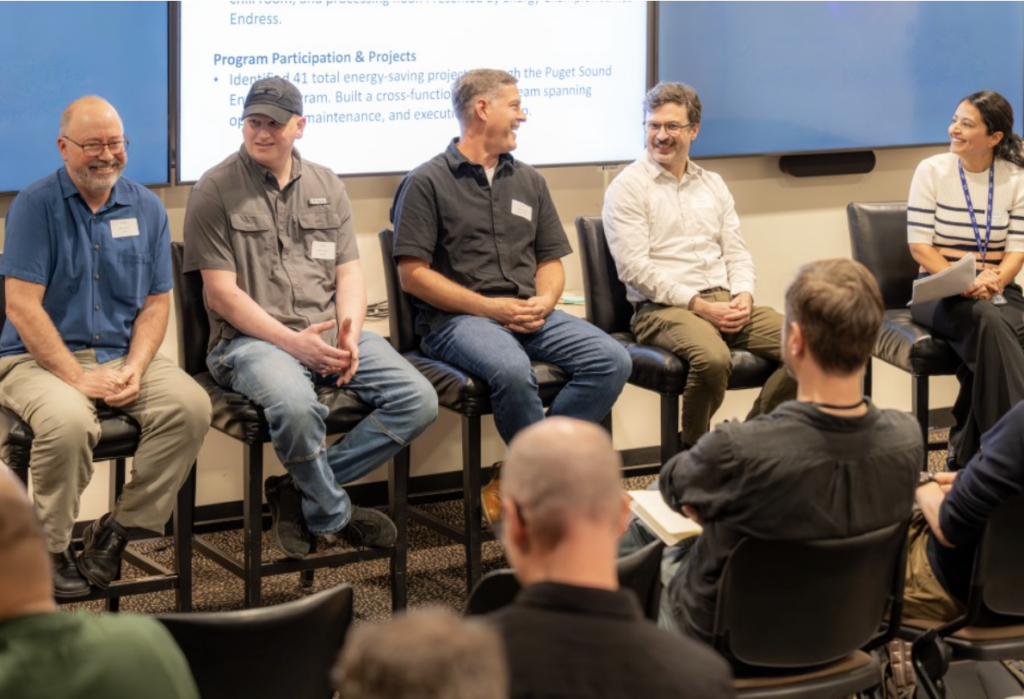
The panel, Good Grid Citizens: Buildings, Utilities, & the Future of Demand Flexibility, centered around how demand flexibility programs and virtual power plants are creating new opportunities for Seattle commercial buildings to reduce costs while supporting a cleaner and more resilient energy system.
How Buildings Support Grid Resilience
As members of Seattle 2030 District, Peter Alspach and Edo’s managing director Jesse Rebello also recently co-authored “The Grid is Changing — and Your Building is Part of the Answer” for the organization. The article explains how demand flexibility and virtual power plants can help buildings can support grid resilience as demand growth, electrification, and renewable integration continue to transform the grid.
Together, the panel discussion and article highlight a growing industry shift toward treating buildings as flexible grid assets rather than passive energy consumers. This is the kind of systems-level thinking that helps organizations stay ahead of the curve while preparing for a more dynamic and distributed energy future.
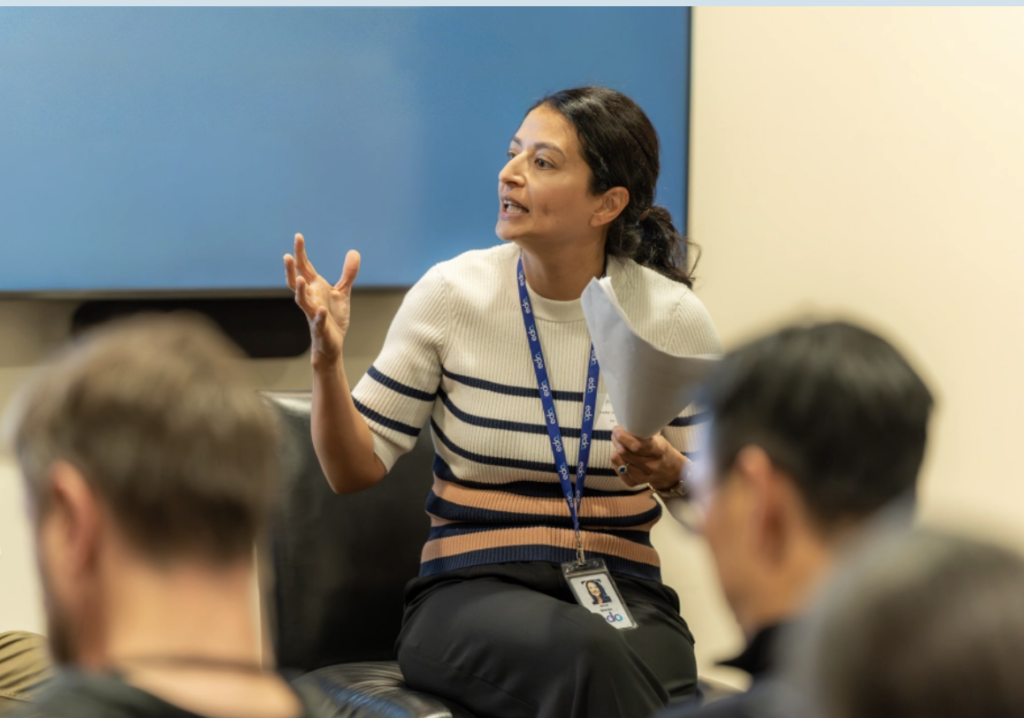
Utilities won’t build the grid of the future alone. It will be built by every structure connected to it—and by industry leaders who see buildings as part of the answer. Edo is proud of our team’s participation in the discussion and grateful to the Seattle 2030 District, McKinstry, and all of the panel participants for helping advance the conversation around building-grid integration and demand flexibility.