
POWERING THE FUTURE
OF ENERGY MANAGEMENT
Edo’s platform is an all-in-one energy and demand optimization solution designed to help utilities and commercial buildings achieve energy cost savings, reduce peak load, and meet decarbonization goals.
EDO PLATFORM AT A GLANCE
Edo’s platform is built on deep expertise in energy management, offering robust, scalable technologies that optimize energy for both utilities and buildings.
Grid Interactive Solutions
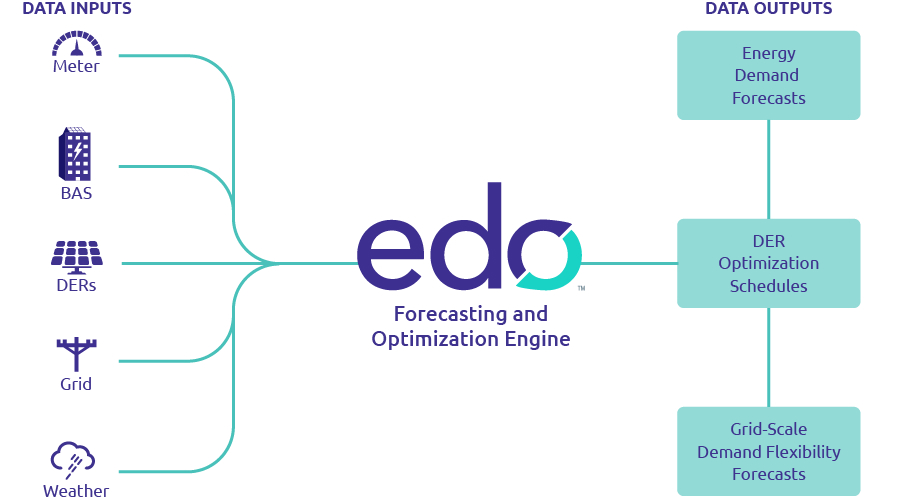
Edo enables utilities to transform buildings into reliable, grid-interactive assets that function as virtual power plants (VPPs). Our platform seamlessly integrates with Distributed Energy Resource Management Systems (DERMS) and Advanced Distribution Management Systems (ADMS), providing secure, real-time optimization to quickly and affordably balance the grid.
- DERMS/ADMS Integration
- Performance Reporting
- Locationally Aware Aggregation
- Real Time Flexible Load Forecasting
- Automated Demand Response
Maximize Efficiency & Savings
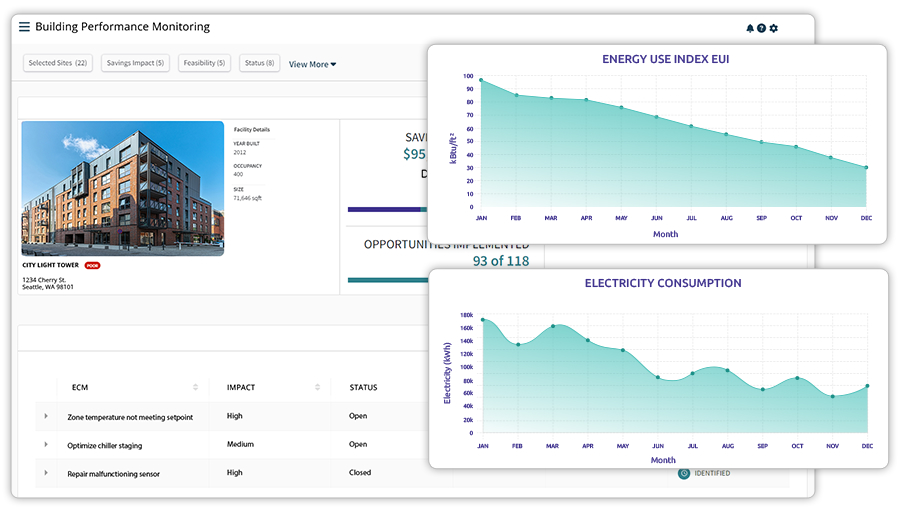
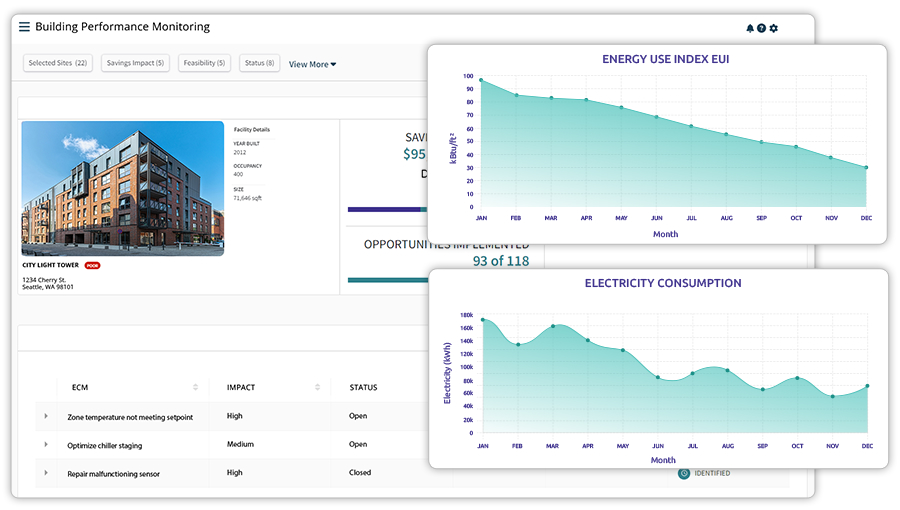
Commercial buildings benefit from advanced energy management. Edo’s platform integrates seamlessly with existing building infrastructure, enabling real-time optimization and offering visibility into distributed energy resources (DERs) such as battery storage, EV chargers, and HVAC systems. This insight helps operators balance costs with carbon reduction, while also improving tenant comfort and overall operational efficiency.
- Performance Monitoring
- Fault Detection & Diagnostics
- Energy Efficiency Measures
- Grid Interactivity
- Utility Bill Monitoring
- Measurement & Verification
CORE CAPABILITIES
Edo’s platform is built on deep expertise in energy management, offering robust, scalable solutions.
Seamless System Connectivity
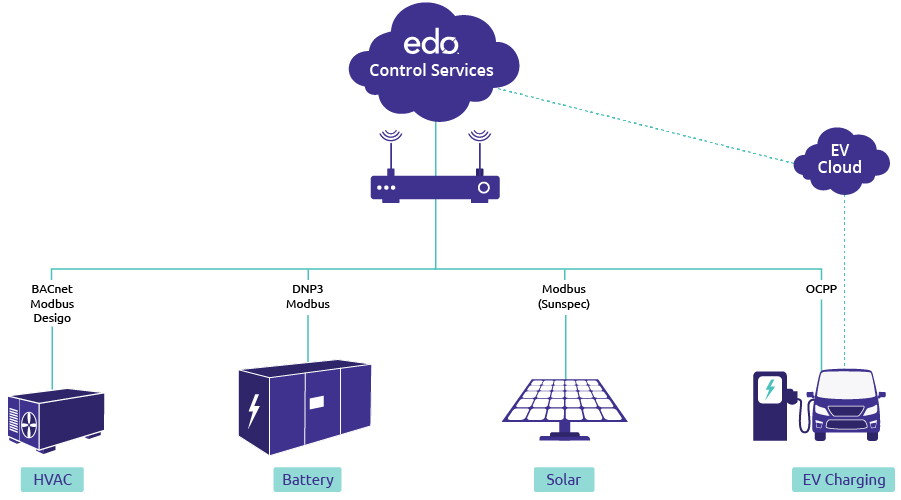
Connect seamlessly with any building system, regardless of OEM or protocol. As part of the onboarding process, IoT Point Mapping ensures accurate integration with existing equipment.
Effortless Energy Management
Simplify the entire building energy management process—from monitoring consumption to optimizing energy use in real-time.
Robust Data Security
The platform incorporates a range of security measures, including SOC2 Type 2 certification, to ensure data protection and adherence to industry-leading security standards.
AI-Driven Energy Solutions
Leverage advanced AI and machine learning for real-time energy forecasting and automated decision-making, ensuring the best outcomes for both utilities and buildings.
Real-Time Demand Flexibility
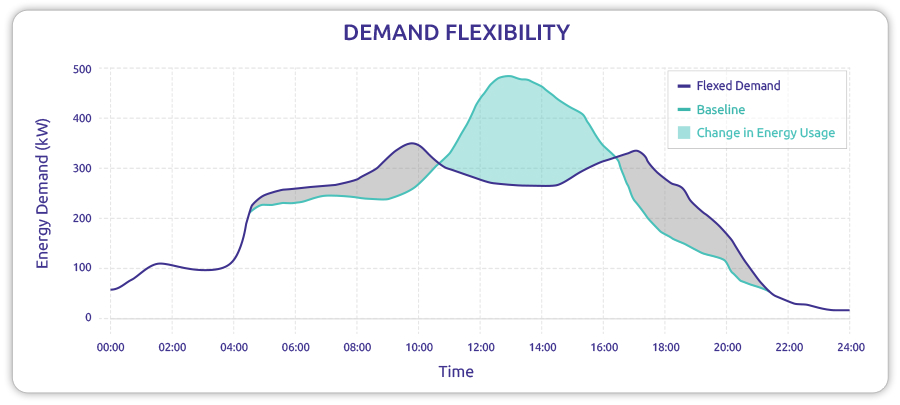
Respond dynamically to utility signals, including Time-of-Use (TOU) rates, allowing buildings to shift energy consumption to off-peak hours, maximizing cost savings.
Dynamic Grid Engagement
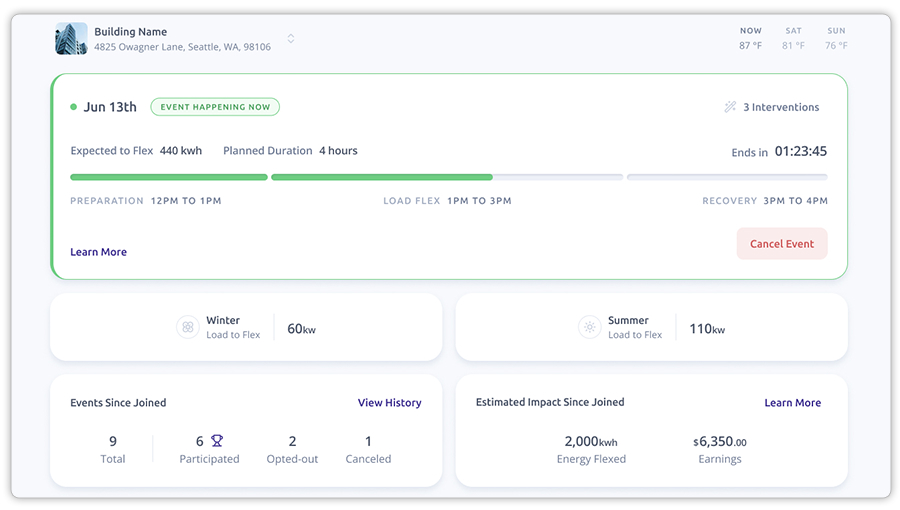
Transform buildings into grid-interactive efficient assets, allowing participation in demand response and VPP programs. With Edo’s OpenADR certification, buildings can respond to real-time utility signals to optimize energy use.
Scale & Reach
Edo integrates with existing building automation systems and connected equipment to access real-time data and enable coordinated control. During onboarding, Edo maps available data points and control capabilities to ensure accurate monitoring and optimization. The platform is designed to work across different equipment types and vendors, allowing buildings to participate without replacing their current systems. This approach helps minimize disruption while enabling advanced energy management and demand flexibility.
No. Edo is not a DERMS and does not replace a building management system. Instead, Edo operates as a software layer that connects buildings to utility programs. It integrates with building systems to optimize load and with utility systems to support demand response, demand flexibility, and virtual power plant programs. Edo complements DERMS and building management systems by enabling coordination along with aggregation and automation across many buildings.
Edo supports measurement and verification by integrating with utility meters and building systems to track performance before, during, and after demand flexibility events.
The platform provides visibility into load changes and event outcomes, enabling utilities and program administrators to evaluate results using established M&V approaches. This helps ensure performance is transparent and repeatable for utility reporting and settlement requirements.
The Edo Gateway is a software-enabled connection point that allows secure communication between the Edo platform and a building’s systems. It supports data collection, control signals, and local coordination while maintaining separation between building operations and external grid signals. The gateway helps ensure reliable, low-latency interaction with building equipment and supports consistent participation in energy optimization and demand flexibility programs.
Edo coordinates load across multiple buildings by aggregating flexible capacity at the portfolio level. The platform uses real-time data and forecasting to determine how individual buildings can contribute during an event, then dispatches load adjustments across the portfolio based on location, availability, and performance. This approach allows utilities to rely on aggregated commercial load rather than individual sites, improving predictability and consistency across events.
Edo is designed to meet utility and enterprise security requirements. The platform uses role-based access controls to manage who can view data or initiate actions, and it applies cybersecurity practices aligned with SOC 2 Type 2 standards. Control actions are limited to approved parameters defined during onboarding, ensuring buildings retain oversight while enabling automated optimization and demand flexibility participation.
Edo is designed to work alongside DERMS and ADMS platforms, not replace them. DERMS and ADMS provide system-level visibility and grid operations capabilities, while Edo focuses on optimizing and aggregating commercial building load. Edo integrates with these utility systems to receive grid signals and report performance, enabling demand-side resources to be incorporated into existing utility planning and operations workflows.
News + Insights

Edo and EnergyHub Launch Collaboration to Scale Residential and Commercial Flexibility
SEATTLE, WA, March 2026 — Edo and EnergyHub today announced a strategic partnership that unites the leading commercial building dema…

The Power of the “Missing Middle”: Real Stories From Commercial Building-Grid Integration
Grounded in hands-on experience, the session highlights how automation, portfolio diversity, and better building data are helping ut…

2026: The Year of the VPP and the Rise of the “Missing Middle”
As load growth, extreme weather, and emerging load shapes are accelerating grid pressures, utilities are challenged to build infrast…