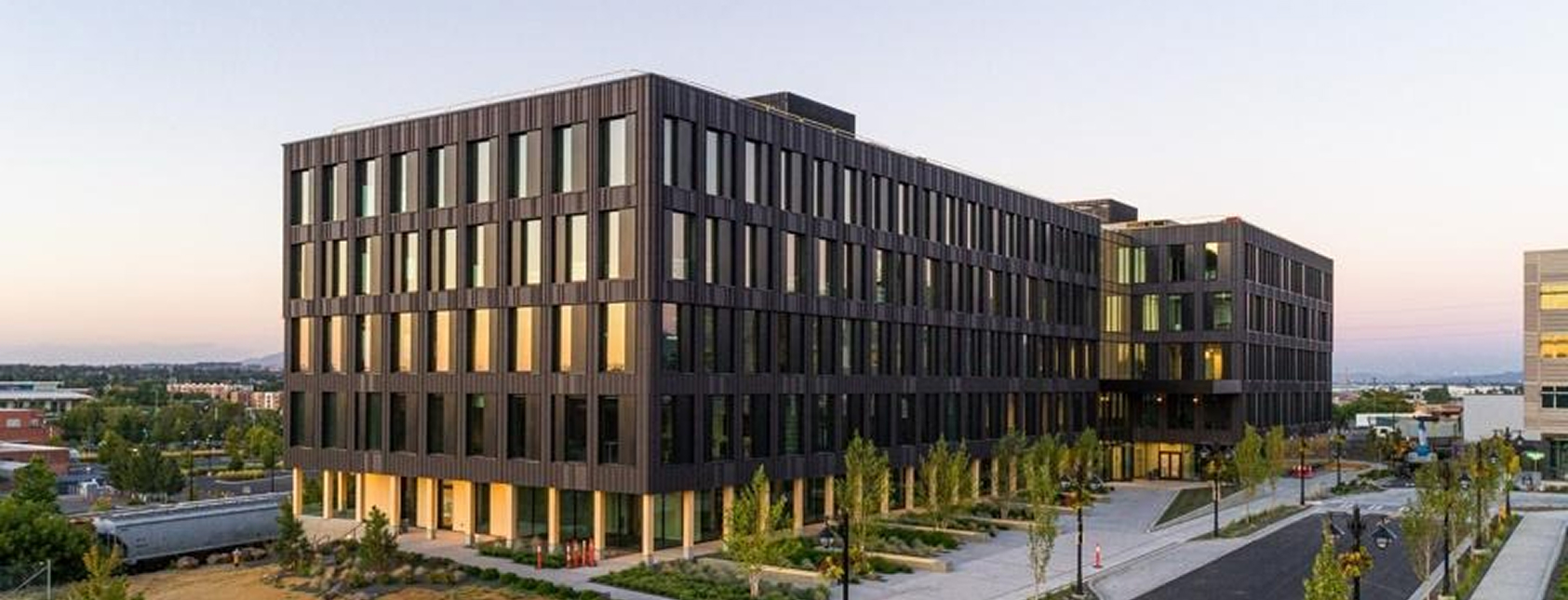
The Power of the “Missing Middle”: Real Stories From Commercial Building-Grid Integration
Share


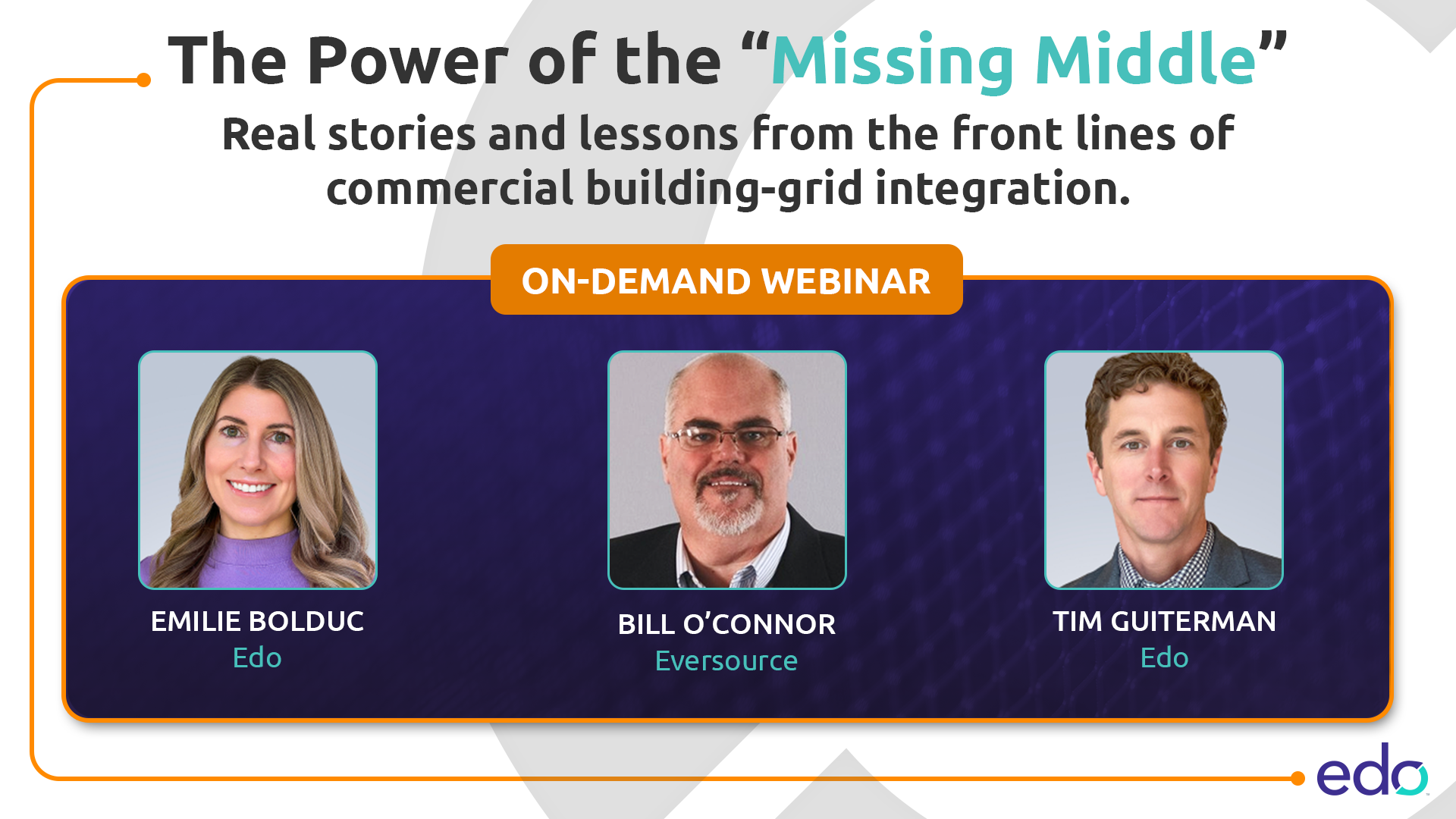
As load growth accelerates, utilities are looking beyond traditional demand response to find flexible, reliable grid resources. One segment is increasingly critical—but often overlooked: “missing middle” commercial buildings.
In this webinar, Edo and Eversource share real-world lessons from deploying automated demand flexibility across schools, municipal facilities, and other mid-sized commercial buildings. The discussion focuses on what actually works—from enrollment and automation to improving performance over time—and how these buildings can support grid reliability without disrupting occupants.
Grounded in hands-on experience, the session highlights how automation, portfolio diversity, and better building data are helping utilities move from planning to dispatchable action as grid constraints intensify in 2026.
What We’ll Cover
- What makes missing middle buildings different—and why automation matters
- Lessons from deploying demand flexibility across real, diverse building portfolios
- How efficiency and demand response work better together
- What utilities can realistically expect from these buildings as grid resources
- Why portfolio-scale flexibility matters more than individual sites