Case Studies
How a 40,000-Square-Foot Building Nearly Disappeared from the Grid
August 13, 2026
Share


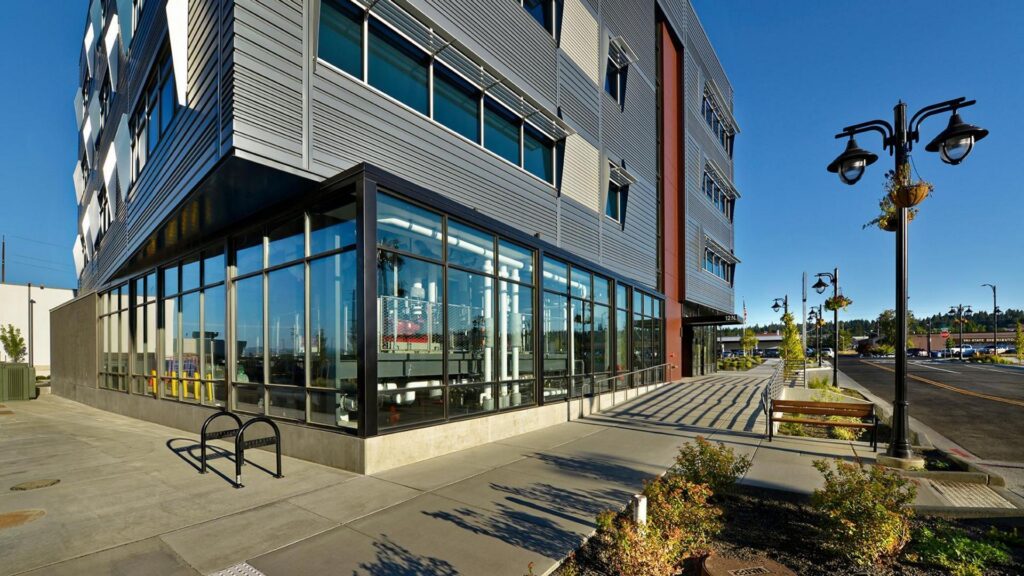
The Scott Morris Center for Energy Innovation is one of two buildings in South Landing, a grid-interactive eco-district in Spokane, Washington. Avista partnered with Edo and McKinstry to transform land initially earmarked for a substation into the net-zero district energy campus. The district was designed as a real-world model for how commercial buildings, distributed energy resources, and the electric grid can work together.
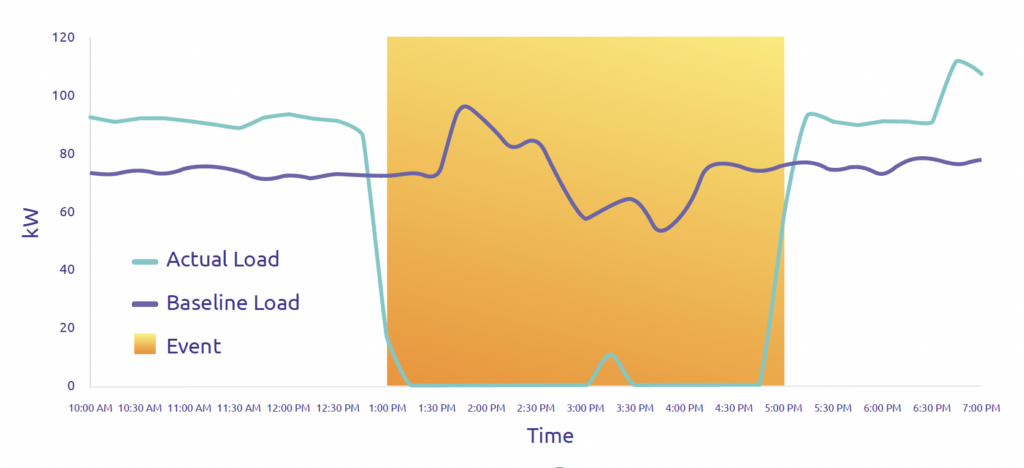
During a summer demand flexibility event, Edo integrated the Center’s HVAC systems and onsite solar and storage to dramatically reduce the building’s reliance on the grid during the hottest part of the afternoon while normal operations continued.
In effect, the Scott Morris Center nearly disappeared from the grid for four hours—and nobody inside noticed.
The Challenge
Commercial buildings can contain many sources of flexibility, but those resources do not automatically work in sync. Each has different operating constraints, timing, and available capacity.
The Scott Morris Center was developed to demonstrate and test what becomes possible when those systems are coordinated as one grid resource. The event aimed to reduce demand during a period of high grid need without disrupting normal building performance.
The Solution
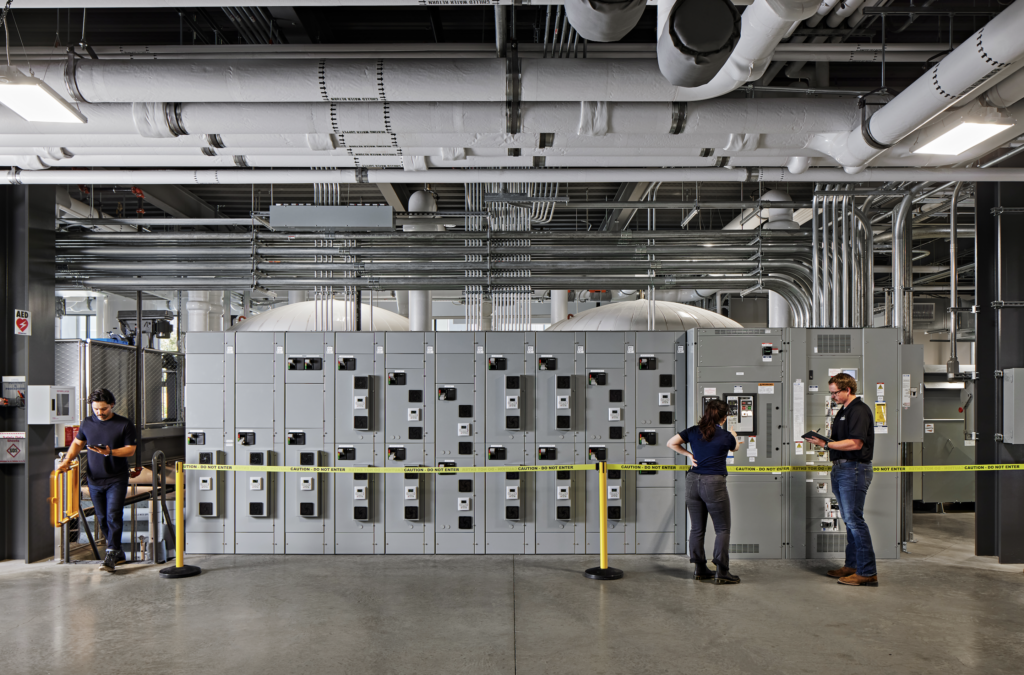
Ahead of the event, Edo pre-cooled the building so it could coast through the afternoon on comfort banked in advance. Thermal storage charged overnight, while the batteries absorbed excess solar generation, ensuring both resources were ready when the flexibility window opened. When the event began, Edo simultaneously discharged the thermal and battery storage while reducing HVAC demand.
The Results
During the event, the Scott Morris Center shed 95 kW and maintained the reduction through nearly four hours of the afternoon peak. With HVAC demand reduced and stored energy resources working together, the building’s load dropped to nearly zero. In effect, the Scott Morris Center nearly disappeared from the grid for four hours—and nobody inside noticed.